About PeterSteele.org
The Manifesto
We are the digital custodians of Peter Steele's legacy. This archive treats his history not as mere memorabilia, but as high-art editorial — documenting the raw energy and profound impact of a musical icon through rigorous preservation and architectural design.
Read the long-form articlesThe Methodology
A premium gallery, not a fan page
Our approach mimics that of a premium gallery. We strip away the noise to let the imagery and the history resonate. White space is our canvas; contrast is our primary tool. “Preservation is not about keeping things still; it's about keeping the energy alive in a new medium.”
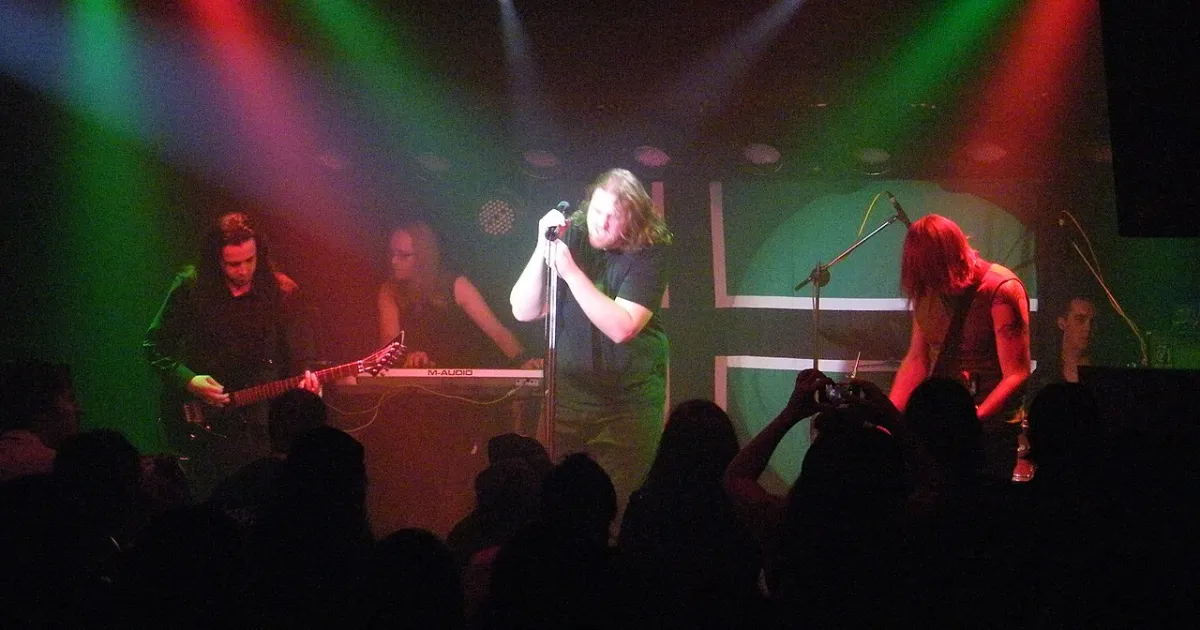
Sourcing the artifacts
Sourcing rare, high-fidelity artifacts and verified information — from era magazine features to liner notes and broadcast interviews.
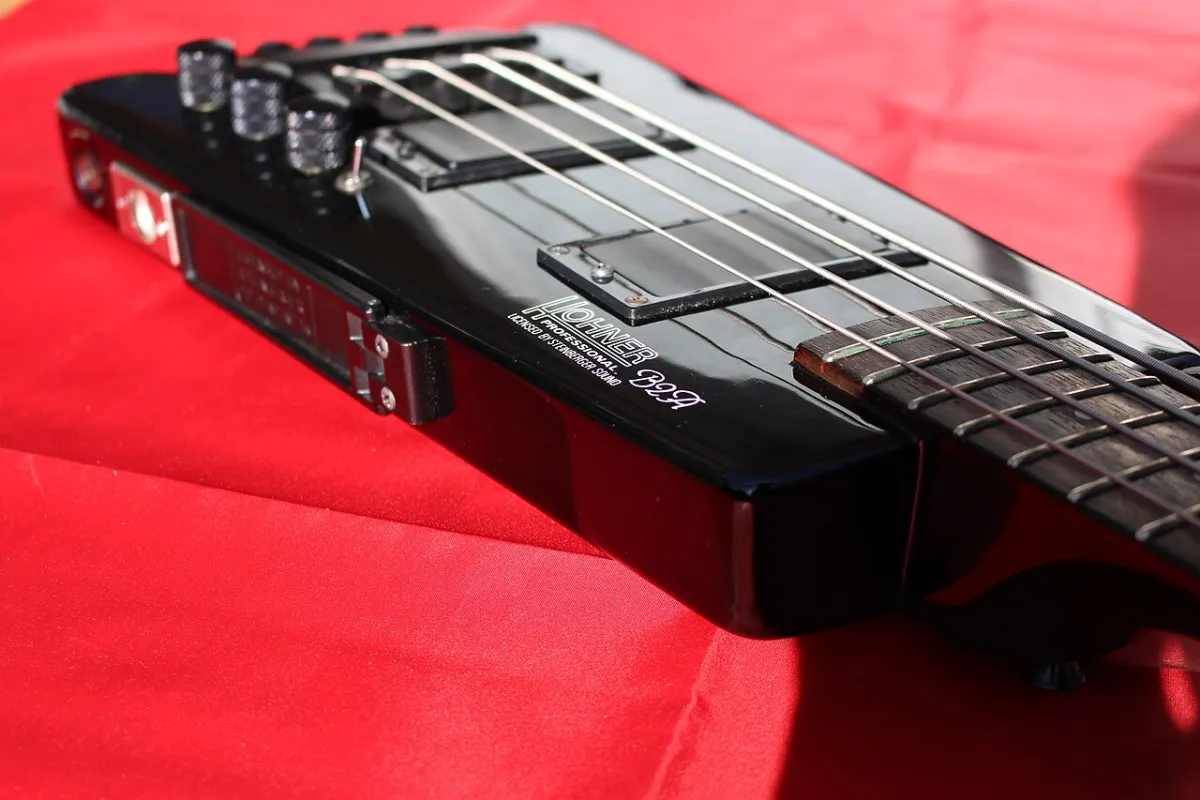
History without heavy-handed narrative
Providing historical framework without heavy-handed narrative — the facts placed in their era, the myths labelled as myths.
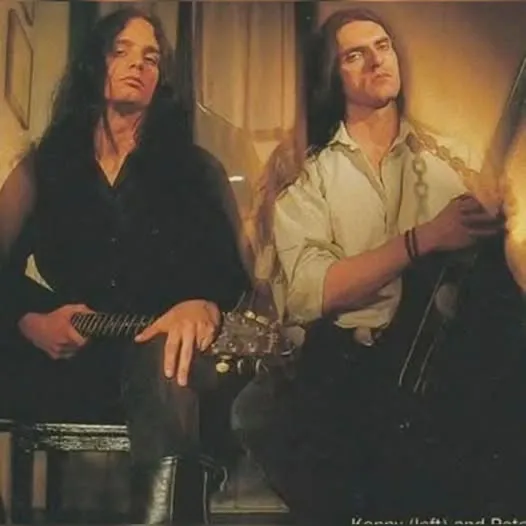
The raw truth, refined
Presenting the raw truth through refined design, so the work itself — not the presentation — is what stays with the reader.
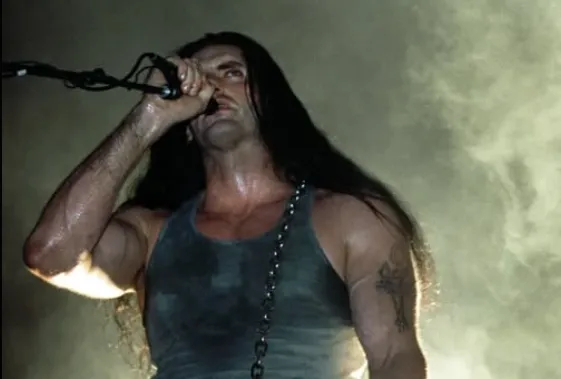
Editorial Standards
How the archive is sourced
Everything published here is built from the record Peter Steele and the people around him left behind: printed and broadcast interviews, magazine features from the era, album liner notes, band members' own accounts, and statements from his family and estate. Where an account is contested, we say so on the page rather than quietly picking the version that reads best. Where the record is genuinely silent, we leave the gap visible instead of filling it with speculation. That restraint is deliberate — a large amount of what circulates online about Peter Steele is repetition of a single unverified claim, and this archive exists partly to stop that cycle rather than feed it.
Corrections and accuracy
No archive about a life this widely mythologised gets everything right first time. Pages are revised as better sources surface, and the date on each article reflects its most recent update rather than its first publication. If you find an error — a wrong date, a misattributed quote, a photograph credited to the wrong session — send it to us with whatever source you have and we will check it. Corrections are made to the page itself rather than buried in a footnote, because the goal is that the next person who arrives reads the accurate version.
What this archive covers
The material is organised around the parts of his life people actually search for: his biography and Brooklyn upbringing, the music from Carnivore through Type O Negative, the instruments and rigs behind the sound, the visual image that made him instantly recognisable, the controversies he courted and the ones invented for him, his death in April 2010, and the legacy that followed. Longer editorial pieces sit alongside the reference pages, going deeper into single episodes for readers who want the full story rather than a summary.
Engage the Archive
Start with the photographs — six galleries spanning the Carnivore years to his final shows — or go straight to the full life story.
View the gallery