Last updated:
Peter Steele's High School Years &
Early Musical Beginnings
Steele's musical spark ignited around age 12, in the mid-1970s, when his family arranged guitar lessons for him and his niece Nancy. Prompted by a neighborhood friend, Susan Penta, from East 15th Street, the siblings trekked to weekly sessions at 7 p.m. - clashing over who would watch Barney Miller while the other learned chords. These lessons weren'
Roots in Brooklyn: Family, Faith, and First Strings
Catholicism wove deeply into these beginnings. The group - Peter, Nancy, Susan, and John - soon gigged at Our Lady of Refuge Church, accompanying folk masses with guitar-driven hymns. Between sacred sets, they'd sneak in riffs from Black Sabbath and Deep Purple, staples of Steele's influences alongside the Beatles. Priests weren't fans of the heavier fare, but the fusion of reverence and rebellion honed their skills. "Folk Mass started it all," as family recollections emphasize, marking the shift from lessons to performance.
This era captured Brooklyn's street-level energy. East 15th Street teens hung in packs, drawing girls' attention with rock covers at block parties. Josh Silver, future Type O Negative keyboardist, entered the mix when his family moved to nearby East 18th Street. Dennis Rizzo, Silver's next-door neighbor, rounded out the drummer role. By high school, these bonds solidified into the band Northern Lights, playing rock favorites at neighborhood bashes and the annual Mardi Gras parade on Avenue M.
Edward R. Murrow High School: Teenage Tower in Midwood
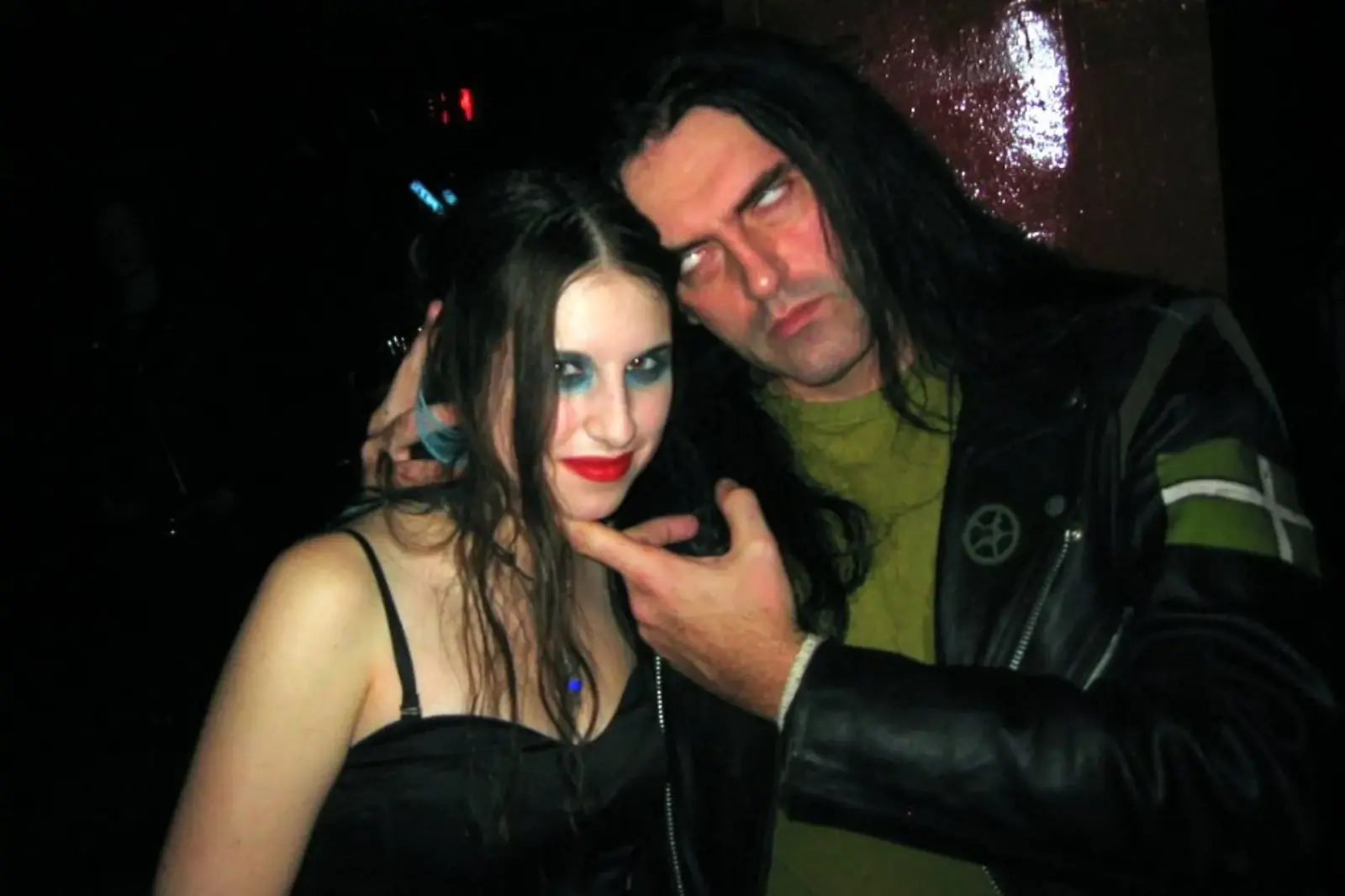
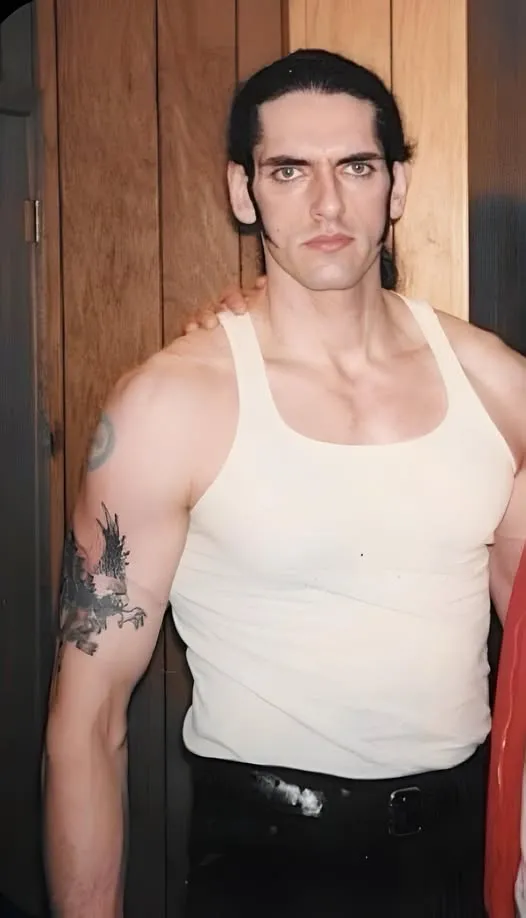
Steele attended Edward R. Murrow High School in Brooklyn's Midwood section during the late 1970s, a sprawling public school known for its diverse student body and creative undercurrents. Standing at an eventual 6-foot-8, the naturally left-handed Steele cut an imposing figure amid lockers and lunchrooms. Though specific high school anecdotes are scarce, his musical pursuits intertwined with academics and neighborhood life. Friends like John Campos, schoolmates since third grade, jammed post-classes, blending schoolyard hangs with rehearsal spaces.
High school coincided with Steele's pivot to bass. Six months after guitar lessons began, he switched instruments - a decision shaped by practicality and band dynamics. In one of his earliest groups, Aggression (featuring Josh Silver), Steele played left-handed rhythm guitar until mates threatened to boot him unless he took up bass. Left-handed models proved too pricey, so he bought a right-handed bass and retrained his fretting hand. This self-taught adaptation defined his career, powering the seismic rumble fans adored in Type O Negative.
Murrow's environment fueled Steele's dual worlds: daytime structure and evening escapism. Brooklyn's parks and streets offered outlets; later, he'd romanticize his New York City Parks Department job - driving steamrollers and garbage trucks in Brooklyn Heights - as his happiest days, earning the nickname "Green Man" from kids in his green uniform. High school planted seeds of discipline amid chaos, as Steele balanced emerging artistry with family expectations in a Catholic enclave.
From Folk Mass to Fallout: The Garage Band Evolution
Northern Lights represented Steele's first proper band, a cover outfit channeling rock hits for local crowds. Acoustic guitars from church gigs evolved into electric setups, with Sabbath-inspired doom creeping in. This progression mirrored Brooklyn's DIY scene: no stages, just stoops, bashes, and parades. Josh Silver's arrival amplified the chemistry; his keyboard flair would later anchor Type O Negative's gothic sound.
By 1979, as Steele neared high school graduation, ambition crystallized. At 17, he co-founded Fallout, his inaugural heavy metal band. Thrashy and raw, it captured a teen's fury - lyrics probing religion, war, and societal edges that would recur in his work. Fallout dissolved by 1982, but not before sharpening Steele's songwriting. He transitioned seamlessly to Carnivore, a thrash metal powerhouse he formed that year. With blistering riffs and provocative themes - misogyny, race, faith - Carnivore's self-titled debut dropped in 1985 via Roadrunner Records. Steele's lyrics grew harsher: "World Wars III and IV started before the first one ended," he'd growl, blending polemic with poetry.
Carnivore's 1987 album Retaliation marked a peak before the split, but Steele's pen extended to hardcore punk. In 1986, he penned lyrics for Agnostic Front's Cause for Alarm, bridging metal and punk. These years post-high school (circa 1980-1982) bridged adolescence to adulthood, with Steele honing his 6-foot-8 frame into a stage behemoth. Childhood friends remained central: Silver from Aggression, and later Kenny Hickey and Sal Abruscato for Type O Negative in 1989.
Influences, Quotes, and the Left-Handed Legacy
Black Sabbath loomed largest, their sludgy riffs echoing in Steele's bass lines. Deep Purple's bombast and the Beatles' melodicism rounded his palette. A rare direct quote from Steele illuminates the switch: in band lore, Aggression's ultimatum forced his hand, birthing right-handed mastery. Family insights add color - niece Nancy recalling lesson squabbles, John Campos praising Peter's inspiration.
Steele's humor surfaced early, self-deprecating amid darkness. High school friends remember a gentle giant, strumming hymns one hour, Sabbath the next. This duality foreshadowed Type O Negative's 1991 debut Slow, Deep and Hard, born from a 1989 breakup and suicide attempt: "On October 15th, 1989, I slashed my wrists. All I can say is that I fell in love with the wrong person." Early beginnings seeded this vulnerability.
Legacy of a Brooklyn Bassist
Peter Steele's high school years and early musical stirrings forged an icon. From Our Lady of Refuge folk masses to Fallout's fury, East 15th Street's crew - John, Susan, Nancy, Josh, Dennis - nurtured a star. Edward R. Murrow provided the backdrop, but neighborhood bonds supplied the beat. By Carnivore's end, Steele was primed for gothic immortality, his left-handed soul channeled through right-handed thunder.
These roots explain Type O Negative's alchemy: thrash aggression softened by doom, personal lyrics wrapped in irony. Steele died April 14, 2010, at 48, but his beginnings endure - a testament to Brooklyn grit, Catholic echoes, and friends who strummed the path to metal legend. Fans revisit these tales, from block party covers to church strums, honoring the teen who became the vampire of rock.
(Word count: 1,128)