Last updated:
Peter Steele's Mugshot & Arrest:
What Happened?
Before his arrest records became part of his public narrative, Steele was a working-class New Yorker with an unconventional path to stardom. While Type O Negative was establishing itself in the late 1980s and early 1990s, Steele maintained employment with the Brooklyn Parks Department, hauling trash and cleaning up bodily fluids - work he initially p
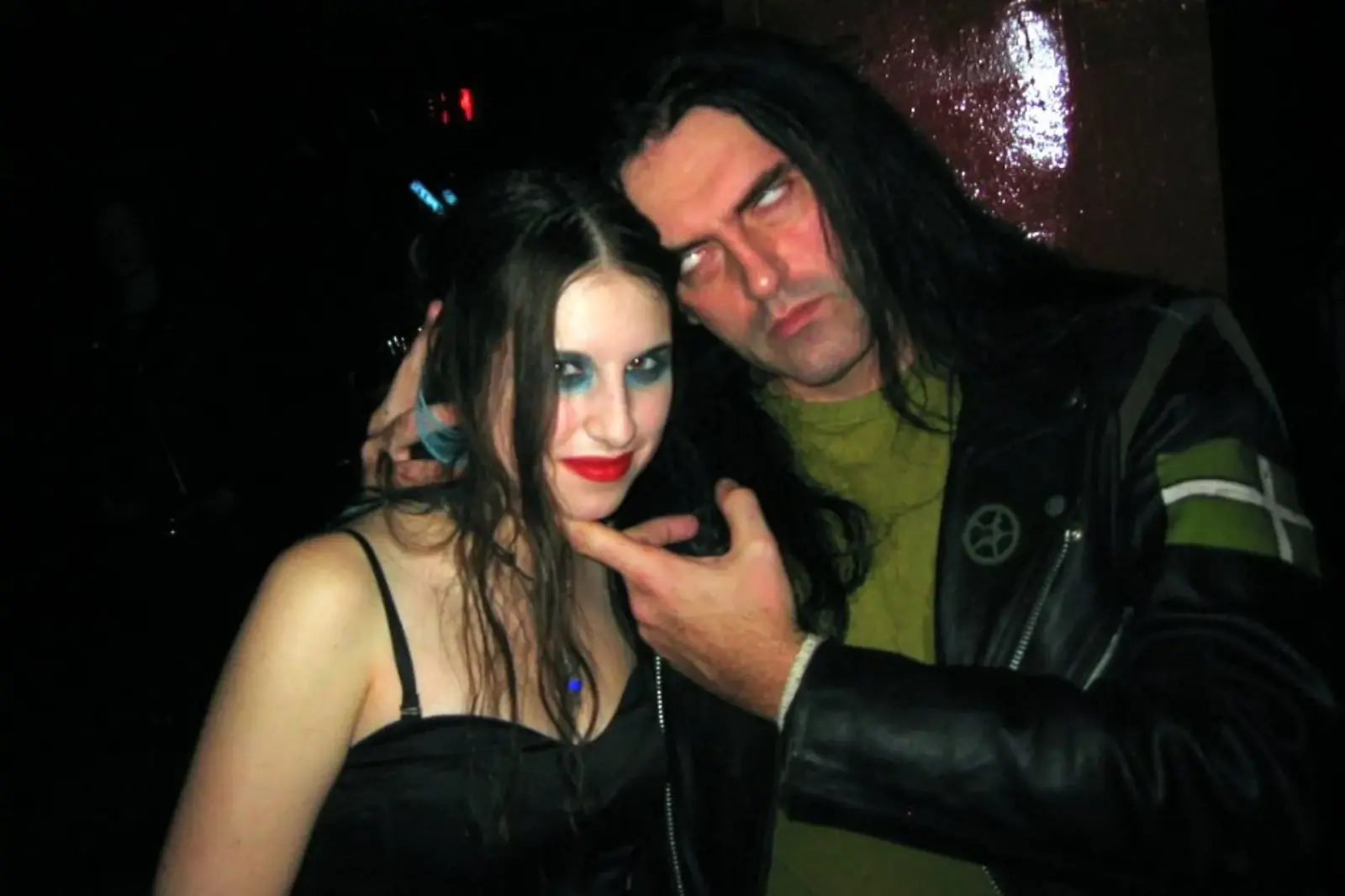
The Man Behind the Makeup
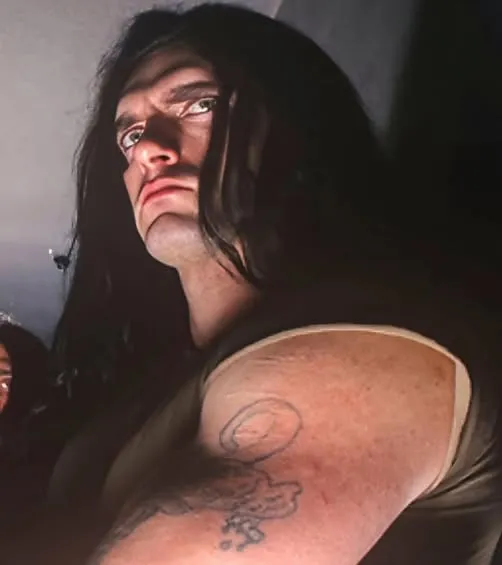
Standing six feet eight inches tall and weighing approximately 260 pounds, Steele's imposing physical presence would later become a survival mechanism in circumstances he never anticipated facing.
Substance Abuse: The Root of Legal Problems
Steele's arrest record was inextricably linked to his addiction struggles. Beginning at age 35, he became a heavy cocaine user, a decision he later expressed profound regret about. Beyond cocaine, Steele battled severe alcoholism, describing alcohol as a "liquid drug" that consumed his life. In his own words, he attempted to "mask the pain by drowning myself in cocaine and alcohol until I thought I was the pope."
The substances weren't merely recreational indulgences - they were coping mechanisms for deep psychological trauma. Steele used drugs to numb the pain of his past, but the strategy backfired catastrophically. His addiction escalated to the point where he wore night vision goggles in the dark, convinced that people were pursuing him. This drug-induced paranoia eventually landed him in a psychiatric institution after an overdose.
The 2005 Arrest and Prison Sentence
The most significant legal consequence of Steele's substance abuse occurred in 2005. He was arrested and imprisoned after beating up a man he caught with his girlfriend - an incident Steele himself acknowledged was fueled by his out-of-control substance use. During an interview about the album "Dead Again," released after his incarceration, Steele admitted: "I just went a little bit too out of control, I think, with uh substances."
The charge was serious: assault and threatening to kill his rival. Steele served a 30-day prison term for this conviction, an experience that profoundly affected him.
Life Behind Bars
Steele's prison experience was harrowing. Confined to maximum security, he faced genuine threats from fellow inmates who viewed him as an outsider. His distinctive appearance - long black hair, pale makeup, and fangs - made him a target in an environment where such aesthetics were viewed with suspicion and hostility.
In an interview with Revolver magazine, Steele recalled the danger: "To be white in jail and to have long black hair and fangs is not an advantage. I was in maximum security, and there were some pretty scary people in there who are never gonna get out, so they had nothing to lose by fking with me. Fortunately, I'm six-foot eight (inches) and I weigh 260 pounds, so I'm not exactly a target."
His physical stature, ironically, became his primary defense mechanism. In an environment where vulnerability could be fatal, Steele's imposing frame provided a measure of protection that his artistic identity could not.
The Aftermath: Intervention and Mental Health Crisis
Upon his release from prison, Steele's troubles intensified rather than resolved. Family members staged an intervention, insisting he check into a mental institution. The intervention revealed the extent of his psychological deterioration: Steele was suffering from drug-induced psychosis so severe that he had installed hidden cameras in light switches and shower heads, convinced that surveillance was necessary for his safety.
"I was suffering from drug-induced psychosis, and I was doing some pretty insane things, like putting cameras in light switches and in shower heads," Steele explained. "All the paranoia was because of all the cocaine I was doing."
Following his release from jail, Steele attended rehabilitation for cocaine dependence and alcoholism. However, recovery proved incomplete. As he later admitted, when his addiction called, he sometimes answered. He also suspected that years of substance abuse had caused irreversible brain damage, leaving him "almost completely incoherent" during periods of active use.
Earlier Legal Entanglements
While the 2005 incident represents the most documented arrest, Steele's legal troubles extended beyond this single incident. He had accumulated a substantial rap sheet over the years, with law enforcement constantly monitoring his activities due to drug misuse. He was reluctant to attend parole appointments and faced multiple interventions before his 2005 incarceration.
Additionally, Steele had served time at New York's infamous Rikers Island for attempted murder after trying to kill an ex-girlfriend's partner while under the influence of drugs. This incident predated his 2005 conviction and demonstrated a pattern of violence intertwined with substance abuse.
The Impact on Type O Negative
Steele's legal troubles and incarceration took a toll on the band. During the recording of "World Coming Down," drummer Johnny Kelly expressed concern that Steele had "plunged too deep into his vices." The singer's drug use became so consuming that he lost the desire to perform, as the drug-fueled lyrics only reminded him of his deteriorating condition.
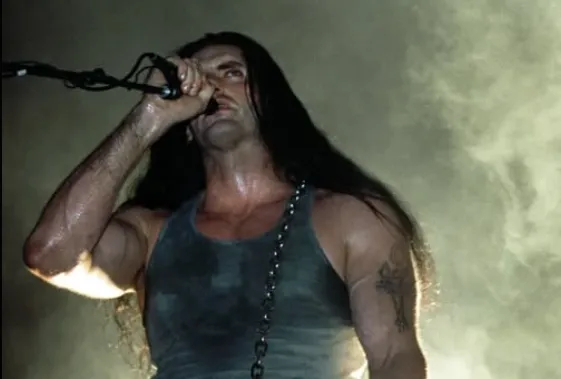
Steele's arrests, jail time, and rehabilitation stints created significant disruptions to the band's operations and creative output. Yet characteristically, Steele transformed even this humiliation into performance art, wearing a prison uniform on stage during live performances after his release - a darkly comedic commentary on his incarceration.
A Complicated Legacy
Peter Steele's mugshot and arrest record represent more than criminal justice statistics; they document the visible manifestation of invisible psychological warfare. A man who created some of gothic metal's most influential and introspective music was simultaneously battling demons that law enforcement and the criminal justice system were ill-equipped to address.
Steele died on April 14, 2010, at age 48. The official cause was diverticulitis, though his decades of substance abuse, combined with a pre-existing heart condition (atrial fibrillation) and a family history of early cardiac death, created a perfect storm for his premature mortality. He had neglected his health even after hospitalization, continuing patterns of self-destruction that had defined much of his adult life.
His arrest record and prison experience remain integral to understanding Peter Steele not as a cautionary tale, but as a complex human being whose artistic genius and personal suffering were inextricably intertwined - a man whose mugshot represents not just criminal culpability, but the visible evidence of invisible pain.