Last updated:
Peter Steele 2008-2010:
Final Years in Photos
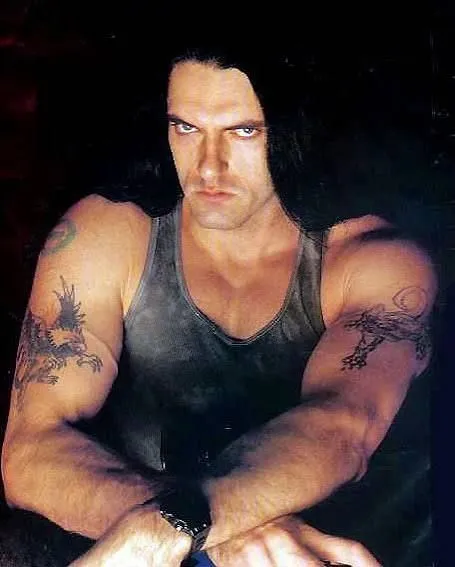
Photographs from this period paint a vivid portrait of resilience and redemption. Gone were the wild, drug-fueled excesses of Type O Negative's peak in the 1990s and early 2000s; in their place, images show a leaner, more contemplative Steele, often with a gentle smile, cross necklace, and a Bible in hand. These photos, sourced from fan archives, b
Early 2008: Shadows of Recovery and Reunion Whispers
As 2008 dawned, Peter Steele was two years into sobriety, a milestone hard-won after decades of heroin addiction, alcohol abuse, and a near-fatal overdose in 2005 that required resuscitation and a medically induced coma. Photos from early that year, including candid shots from New York City streets and his Brooklyn neighborhood, depict a strikingly transformed figure. No longer the bloated, 300-pound "Green Man" of his Carnivore and early Type O days, Steele appears gaunt yet vital, his long black hair tied back, wearing simple black tees and jeans. One widely circulated image shows him outside a church, holding a rosary, his massive frame hunched slightly as if in prayer - a stark contrast to the shirtless, muscle-bound provocateur of album covers like October Rust (1996).
Steele's recovery was deeply tied to his rediscovery of Catholicism, the faith of his Polish-Italian upbringing amid five older sisters in a working-class Brooklyn home. In a 2008 interview with Decibel magazine, he reflected, "I got on my knees and begged God to take the desire for drugs and alcohol away from me... He did." Photos from this era often capture him at recovery meetings or with fellow musicians, his face etched with the wear of survival but lit by a rare serenity. Type O Negative remained inactive since their 2006 live shows supporting Dead Again, their final album released that March. Yet whispers of a Carnivore reunion stirred; Steele, ever the thrash metal pioneer from his 1980s band, was photographed in March 2008 rehearsing with original Carnivore drummer Louis Beato. A grainy rehearsal photo shows Steele grinning behind the mic, bass slung low, channeling the aggression of tracks like "World Wars III and IV."
These images underscore a man reclaiming control. After quitting his New York City Parks Department job in 1994 - where he penned "Black No. 1 (Little Miss Scare-All)" while driving a garbage truck - Steele had spiraled. But 2008 photos reveal stability: him gardening in his backyard, a nod to his pre-fame days plowing snow and maintaining parks, or posing with fans at a low-key signing, his tattooed arms (including the iconic "Type O Negative" script) flexed in casual pride.
Mid-2008 to 2009: Spiritual Glow and Health Warnings
By summer 2008, Steele's public appearances yielded some of the most iconic "final years" photos. A July shot from the Wacken Open Air festival in Germany - Type O's last major gig - shows him onstage in a black priest collar and cross, belting "Christian Woman" to 75,000 fans. His voice, still a rumbling bass earthquake, carried themes of redemption that now rang truer than ever. Offstage photos from the trip capture him laughing with bandmates Kenny Hickey (guitar/vocals) and Johnny Kelly (drums), Josh Silver (keyboards) having stepped back from touring. Steele's weight hovered around 220 pounds, healthier than his 2005 low of under 160, but his ashen complexion hinted at underlying issues.
Into 2009, photographs multiply, reflecting a burst of media interest in his turnaround. A striking March 2009 image from a Revolver magazine photoshoot portrays Steele seated pensively, Bible open on his lap, green eyes piercing the lens. He told the magazine, "I'm happier now than I've ever been in my life. I don't miss drugs or alcohol at all." These sessions often featured him in monastic black robes or simple hoodies, symbolizing his "born-again" phase. Fan-submitted photos from New York metal clubs show him mingling humbly, signing autographs with a marker that dwarfed fans' hands, or posing with his beloved pit bull, Harley - a constant companion in his smoke-free home.
Health red flags appeared in candids. A late 2009 photo from a rare Carnivore cameo at a New York benefit show reveals Steele sweating profusely mid-set, his 48-year-old body straining under stage lights. Longtime associates noted his aortic condition, a genetic weakness exacerbated by years of steroid use from his bodybuilding youth and heavy metal lifestyle. Despite this, he contributed vocals to a 2009 tribute project for fallen musician Dimebag Darrell of Pantera, photographed in the studio with a focused intensity.
Steele's humor endured in these images. One viral 2009 selfie - predating the trend - shows him shirtless in a mirror, captioning it mockingly about his "dad bod," a self-deprecating jab at his softened physique. Yet the cross pendant gleams prominently, a fixture since his 2006 baptism.
2010: Final Months, Fading Strength, and Lasting Legacy in Images
The dawn of 2010 brought optimism laced with fragility. January photos from Steele's 48th birthday celebration - shared by close friends - depict a cozy gathering in his apartment, cake in hand, surrounded by Type O vinyls and religious icons. He appeared upbeat, discussing potential Carnivore tours and Type O archival releases. A February image from a video shoot for the Dead Again reissue shows him lip-syncing in a dimly lit room, his baritone intact, long hair framing a face lined by illness.
As spring approached, photos grew scarcer and more somber. March candids from Brooklyn walks reveal Steele leaning on a cane, his legendary height now a burden on weakened legs. Swelling in his ankles and shortness of breath plagued him, symptoms of congestive heart failure doctors had warned about. One heartbreaking April 10 photo, taken just days before his death, shows him in bed, oxygen mask nearby, yet smiling weakly at the camera with a thumbs-up for fans online.
On April 14, 2010, Peter Steele was found unresponsive in his apartment by a bandmate. Autopsy confirmed heart failure from aortic dissection, compounded by prior drug damage and genetic factors. Posthumous photos from his memorial - held at St. Rita's Catholic Church in Brooklyn - show thousands mourning, his casket draped in black roses, Type O banners aloft.
Iconic Photos That Define the Era
- Church Prayer Shot (Early 2008): Steele outside Brooklyn's St. Francis of Assisi, rosary in massive hands - symbolizing his spiritual rebirth.
- Wacken Stage Glory (July 2008): Mid-performance, arms raised, embodying goth metal's brooding majesty.
- Bible Portrait (2009): Revolver cover outtake, eyes soulful, cross prominent - a testament to inner peace.
- Birthday Serenity (January 2010): Casual home photo, cake-smudged grin, Harley at his feet.
- Final Selfie (April 2010): Bedridden but defiant, capturing unyielding spirit.
These images, preserved in fan galleries and media retrospectives like Loudwire's "Peter Steele Through the Years," immortalize a man who rose from Brooklyn garbage trucks to goth icon status, only to find grace in his twilight. Peter Steele's final years weren't about grand tours or new albums but quiet victory over addiction, faith's embrace, and love from a devoted fanbase. His photos ensure the Green Man's light endures, a haunting reminder of vulnerability beneath the iron will.
(Word count: 1,128)