Last updated:
Peter Steele's Vampire Image:
How He Became Gothic Rock's Dark Prince
Steele's origins were far removed from the gothic mystique he later embodied. Raised in a devout Catholic family in Brooklyn, he navigated a working-class existence marked by resilience and self-reliance. Despite his religious upbringing, Steele identified as an atheist for much of his life, only reconsidering his beliefs later amid contemplations
Early Life: From Brooklyn Streets to Bass Mastery
Music entered his life early. As a left-handed guitarist in the hardcore punk band Agression, Steele faced a pivotal challenge when asked to switch to bass. Lacking funds for a left-handed instrument, he adapted a right-handed bass, teaching himself to play upside-down - a testament to his determination that became a cornerstone of his musicianship. This resourcefulness extended beyond the stage; before fame, Steele worked for the New York City Department of Parks and Recreation, handling everything from maintenance to surveillance. He later described this period as one of the happiest in his life, a grounded contrast to the shadowy persona he would cultivate.
The Birth of Type O Negative and the Vampire Aesthetic
Steele's transformation into Gothic Rock's Dark Prince accelerated with the formation of Type O Negative in 1989, evolving from his prior project Carnivore. The band's debut, Slow, Deep and Hard (1991), hinted at the gothic metal sound that defined them, but it was Bloody Kisses (1993) - their breakthrough album - that solidified the vampire image. Released on Roadrunner Records, it peaked at No. 27 on the Billboard 200, blending doomy riffs, orchestral swells, and Steele's operatic vocals with themes of love, loss, and the macabre.
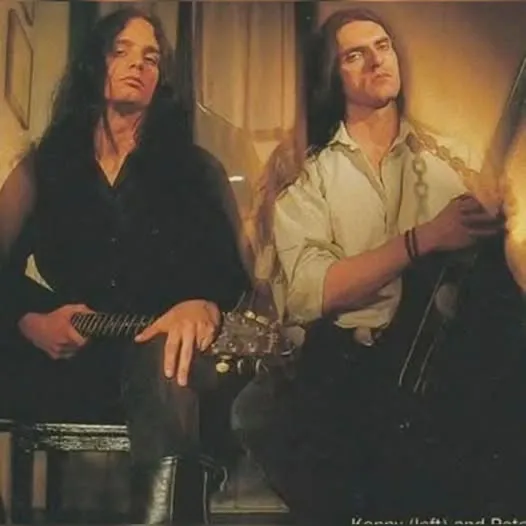
Visually, Steele leaned into vampire lore with deliberate flair. His gaunt features, clad in black leather and velvet, evoked Dracula's aristocratic menace, amplified by Type O Negative's monochromatic album art and stage theatrics. Fans dubbed him "the giant vampire" for his imposing height and bloodless pallor, a nickname that stuck as he prowled stages like a predator from Bram Stoker's nightmares. The band's sound - dubbed "gothic doom metal" - featured plodding tempos, ironic humor, and lyrics laced with vampiric metaphors, as in "Black No. 1 (Little Miss Scare-All)," a hit single mocking goth subculture while embracing it: "She’s in love with herself / She likes the dark / On her milk white neck / The devil’s mark."
This image wasn't mere costume; it was Steele's alchemy of personal torment into art. His deep baritone, often layered with reverb, conjured a seductive baritone from the crypt, while music videos like "Black No. 1" featured him in coffin-like poses amid fog-shrouded graveyards. By 1994, as Type O Negative toured relentlessly, Steele's persona had metastasized into a cultural phenomenon, positioning him as the anti-hero of gothic rock - a towering figure who romanticized darkness without descending into cliché.
Charisma Behind the Fangs: Kindness Amid the Shadows
Beneath the vampire facade lay a man of surprising warmth. Known for his generosity, Steele cracked dark jokes and aided friends freely, subverting the brooding stereotype. His open-mindedness shone through in anecdotes like preferring to sign women's breasts at shows and rejecting homophobia outright. In a bold 1995 move, he posed nude for Playgirl, later quipping about regret upon learning only a quarter of subscribers were women - a self-deprecating tale that humanized the "Dark Prince."
Type O Negative's discography deepened this duality. Albums like October Rust (1996) and World Coming Down (1999) explored vulnerability through gothic lenses - songs of heartbreak ("Love You to Death") and addiction ("Everyone I Love Is Dead") - with Steele's image as the eternal outsider. Live performances amplified the myth: he'd emerge from mock coffins, blood dripping from prop fangs, yet banter with crowds like a affable giant, blending horror with humor.
Struggles in the Shadows: Addiction, Loss, and Disillusionment
The vampire image masked profound personal battles. Steele grappled with depression, self-medicating with drugs and alcohol - demons he channeled into music as catharsis. Tensions with Roadrunner Records, whom he accused of exploitation, exacerbated his anxieties. The 2004 murder of close friend Dimebag Darrell, Pantera's guitarist, shattered him, marking a mood shift toward isolation.
In 2005, Steele vanished, sparking death rumors. Instead, he had entered rehab, a private war against addiction that highlighted his resilience. Emerging sober, he briefly embraced Christianity, tattooing a cross over a prior pentagram and declaring faith in interviews. Yet health woes persisted; years of substance abuse ravaged his liver. On April 14, 2010, at age 48, sepsis - likely tied to organ damage - claimed him in a Scranton, Pennsylvania hospital.
Bandmates Josh Silver, Kenny Hickey, and Johnny Kelly mourned deeply, stating, “When Peter died, Type O Negative died with him.” The group disbanded, underscoring Steele's irreplaceable presence.
Legacy: Eternal Reign of the Dark Prince
Peter Steele's vampire image endures as gothic rock's pinnacle, influencing bands like Him, Lacuna Coil, and modern acts channeling nu-gothic vibes. His fusion of horror iconography with heavy, humorous metal created a blueprint for the "dark prince" archetype - tall, tormented, yet tenderly human. Streaming numbers for Bloody Kisses surpass millions, while fan tributes, from vampire cosplay at festivals to tattoos of his likeness, keep the myth alive.
Steele's genius lay in authenticity: he didn't just play the vampire; he lived its contradictions - immortal in art, mortal in frailty. From Brooklyn parks to sold-out arenas, he rose as Gothic Rock's Dark Prince, a gentle giant whose baritone echoes through the night. His story reminds us that true legends wield shadows not as weapons, but as mirrors to the soul.
(Word count: 1,128)