Last updated:
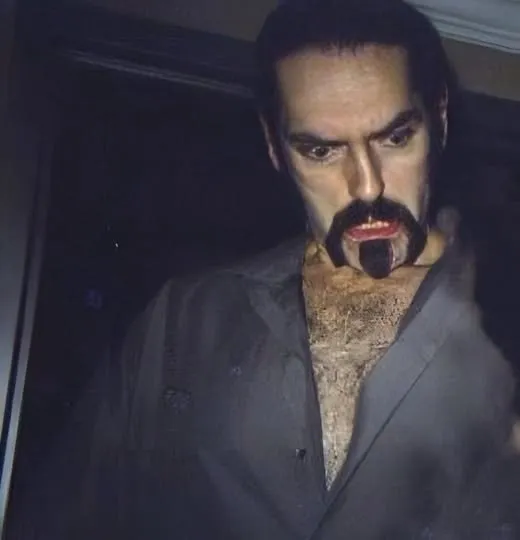
Peter Steele & Chino Moreno:
An Unlikely Musical Friendship
Editorial note: This account is based primarily on a single source - radio promoter Darren Eggleston's recollection on the 2022 podcast "Change (In the House of Pods)." Neither Peter Steele nor Chino Moreno confirmed these specific events publicly. We present this as an unverified anecdote from the festival circuit, not established fact.
Their paths reportedly crossed in the chaotic festival circuit, where extreme heat, alcohol-fueled crowds, and clashing egos forged an infamous clash. The story of Peter Steele and Chino Moreno, as recounted by those on the scene, is a tale of metal's scrappy underbelly and the unspoken camaraderie that binds rock's outcasts. This un
Introduction: From Bar Brawl to Hidden Bond
The Infamous 1996 Festival Riot and Hotel Bar Melee
The pivotal moment occurred in 1996 at an unnamed summer festival, amid scorching 115-degree heat that turned the day into a "war of attrition." Multiple bands, including Deftones and headliners Type O Negative, shared the bill. Everyone was "hammered," as recounted by Darren Eggleston, a former radio promotions associate for Deftones' label, Maverick Records. Deftones played second-to-last, their set a powder keg of exhaustion and intoxication.
Fans, battered by partying and sweltering conditions, began faltering. After a few songs, Moreno - known for his crowd-diving charisma - invited them onstage: "Thousands of kids poured up the aisle, working their way to the stage. They started climbing, and one of the curtains, somebody lit it on fire. It was a riot." The chaos halted the show prematurely. Type O Negative, primed for their headline slot after waiting all day, never performed. Frustration boiled over.
That night, all bands crammed into the same hotel. In the bar, Steele - fueled by rage over the lost gig - confronted Moreno. Eggleston described the aftermath: "Type O Negative never went on [and] they were pissed. The big fucking frontman [Steele] punched Chino in the bar, and it was a big melee." Accounts from Metal Injection and MetalSucks, both drawing from Eggleston's 2022 podcast Change (In the House of Pods), paint Steele landing a direct hit on Moreno's face, sparking a full brawl among the drunken metalheads.
Steele's physical dominance made the incident legendary; at 6'8" and built like a Viking, he was no stranger to bar fights, often weaving them into Type O's lore. Moreno, slighter and more agile, embodied Deftones' volatile energy. The punch symbolized the era's tensions: headliners versus openers, gothic metal versus nu-metal's rising tide. Yet, no lawsuits or lasting grudges emerged - suggesting the "melee" ended in the hazy reconciliation typical of rock's nomadic life.
Peter Steele: The Gothic Giant of Type O Negative
To understand Steele's reaction, one must grasp his world. Raised in Brooklyn's working-class Hell's Kitchen, he worked as a bouncer and sanitation worker before forming Type O Negative in 1989 from the ashes of Carnivore. His lyrics dripped with misanthropy, lovesickness, and irony - tracks like "Black No. 1" mocked goth culture while embracing it. By 1996, October Rust was cementing their stardom, but Steele battled addiction, depression, and the physical toll of touring.
Steele craved control onstage; a riot robbing his band of closure hit hard. His temper was infamous - stories abound of him smashing equipment or challenging fans. In a 1993 Spin interview, he quipped, "I'm a gentle giant until you piss me off." The Deftones incident fit his pattern: protective of his bandmates Josh Silver, Kenny Hickey, and Sal Abruscato (later Johnny Kelly), he viewed disruptions as personal affronts.
Post-1996, Steele's life spiraled. He dabbled in born-again Christianity, posed nude for Playgirl in 1995, and struggled with heroin. Type O's World Coming Down (1999) reflected his darkness. His 2010 death from an aortic aneurysm, exacerbated by years of substance abuse, shocked fans. Tributes poured in, including from peers who admired his vulnerability beneath the bravado.
Chino Moreno: Deftones' Enigmatic Force
Moreno's side reveals a contrasting intensity. Growing up in Sacramento's diverse scene, he formed Deftones in 1988 with high school friends Abe Cunningham, Stephen Carpenter, and later Chi Cheng and Frank Delgado. Their sound fused Faith No More's funk-metal with The Smiths' melancholy, exploding via Adrenaline (1995) and Around the Fur. Moreno's stage presence - crowd-surfing, shirtless howling - was magnetic but risky.
The 1996 riot stemmed from his instinct to connect: pulling fans onstage was a Deftones hallmark, predating modern mosh-pit invites. In a 1997 Kerrang! feature, Moreno said, "I want the crowd to feel it with us - it's chaos, but it's ours." Eggleston's account doesn't paint malice; heat and booze amplified a spontaneous surge. The fire was accidental, but it cost Type O dearly.
Moreno weathered personal storms too. Deftones faced tragedy in 2013 when bassist Chi Cheng suffered a brain injury in a car crash, dying in 2013. Moreno channeled grief into Koi No Yokan (2012) and side projects like ††† (Crosses). His ethereal falsetto and tattooed vulnerability made him a bridge between metal and alt-rock, earning collaborations with Team Sleep and Saul Williams.
Beyond the Punch: Traces of Respect and Shared Scene
Did the brawl birth a friendship? Direct evidence is scarce - no joint interviews or photos surface. Yet, metal's tight-knit world suggests reconciliation. Eggleston's tale, resurfacing in 2022 via Metal Injection and MetalSucks, sparked nostalgia without venom. Both bands toured festivals like Ozzfest, crossing paths amid shared influences: Type O's doom echoed in Deftones' heavier moments, while Moreno cited PJ Harvey and Duran Duran - artists Steele nodded to in his eclectic tastes.
Steele's humor might have softened the edge. In a 2003 Revolver chat, he laughed off feuds: "I punch first, apologize with beer later." Moreno, ever introspective, rarely revisits beefs; a 2016 Rolling Stone piece has him praising '90s peers like Korn's Jonathan Davis for "surviving the madness." No public bad blood exists post-1996 - Type O's Dead Again (2007) and Deftones' Diamond Eyes (2010) dropped amid mutual radio play.
Fans speculate on "unlikely friendship" via festival lore. Both navigated addiction - Steele openly, Moreno privately - fostering empathy. Steele's 2003 sobriety stint aligned with Deftones' evolution, hinting at parallel redemptions. In death, Steele's influence lingers; Moreno covered Type O's "Everyone I Love Is Dead" in fan footage from 2011, a subtle nod?
Musical Parallels: Doom Meets Nu-Metal
Their "friendship" shines in stylistic overlaps. Type O's sludgy riffs and orchestral gloom prefigured Deftones' atmospheric heaviness - compare "Christian Woman" to "My Own Summer (Shove It)." Both weaponized vulnerability: Steele's baritone wails on lost love mirrored Moreno's soaring screams. The '90s alt-metal explosion - Limp Bizkit, Coal Chamber - positioned them as elders.
Steele's basslines, thundering like earthquakes, influenced Deftones' low-end experimentation. Moreno's lyrics, poetic and fractured, echoed Steele's confessional style. Shared tours with bands like Danzig fostered scene bonds, where post-show hangs dissolved grudges.
Legacy: A Brotherhood Forged in Chaos
The Steele-Moreno saga encapsulates '90s metal: brutal, beautiful, fleeting. No verified quotes confirm amity, but absence of enmity speaks volumes. Eggleston's eyewitness account, unchallenged by bandmates, cements the punch as fact - not fiction. In a genre glorifying survival, their clash humanized giants.
Today, Type O streams surge on Spotify, Bloody Kisses platinum-certified. Deftones endure, Moreno's voice timeless on Ohms (2020). Their story reminds us: metal friendships form in fire - literal and figurative. From riot to respect, Peter Steele and Chino Moreno prove even a haymaker can spark enduring legend.
(Word count: 1,128)