Last updated:
Peter Steele's Voice Type:
Bass-Baritone Analysis & Comparisons
In classical vocal classification, a bass typically spans from E2 to E4, emphasizing depth and resonance in the lowest register, while a baritone extends from A2 to A4, offering a warmer, more versatile mid-range. A bass-baritone bridges these, often starting as low as F1 or G1 but comfortably navigating up to G4 or higher, with a timbre that retai
Defining the Bass-Baritone: Steele's Vocal Foundation
Steele's low register dominated Type O Negative's doom-laden melodies, with dozens of lines in the second octave (roughly C2 to B2) and ventures into the first (C1 to B1). This wasn't mere growl; it was soulful and dramatic, as heard in "Haunted," where E♭2s emerge with thick, bass-string-like timbre. Vocal coaches note his intentional dynamic shifts: "He sounds lots of different ways... that's a really important thing," highlighting how he raised his larynx for theatrical highs without losing tonal richness. His approach complemented two-octave melodies, starting low in the second octave and climaxing in the mid-to-upper fourth (around G4 to E5), often turning "screamy and rough" above G♯4 but retaining power.
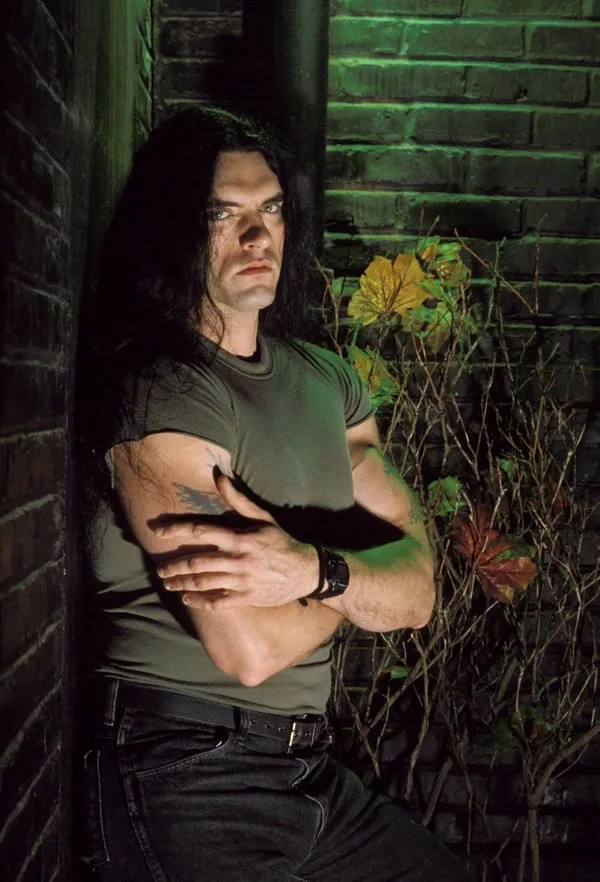
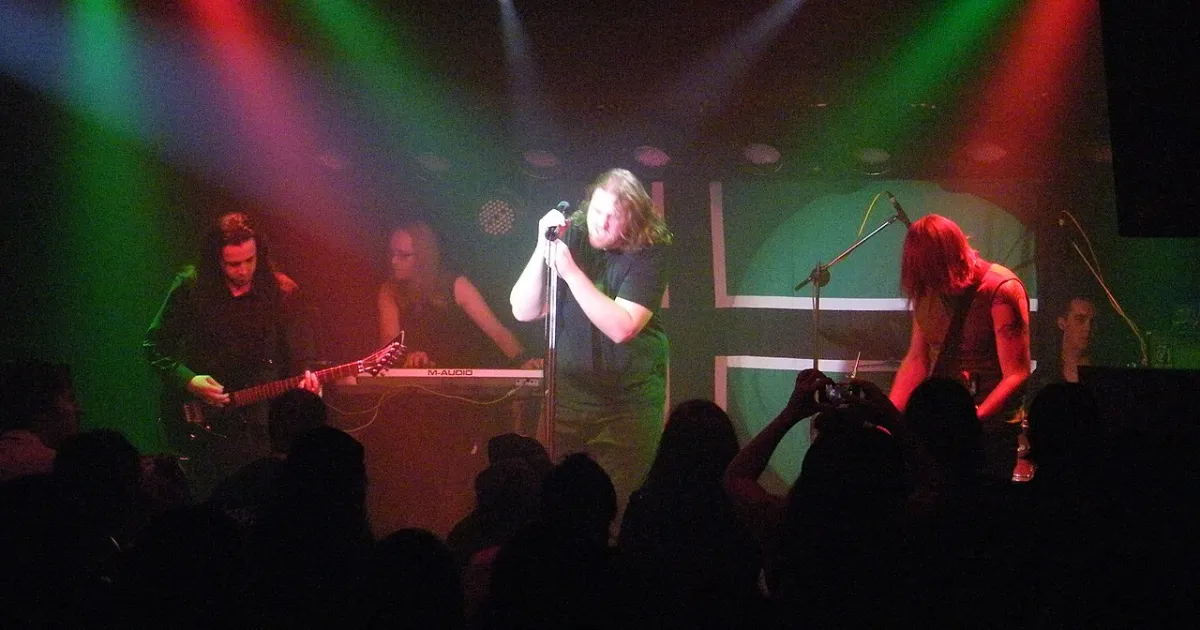
This range wasn't studio trickery - Steele's live prowess, like the F♯1-E5 span at Bizarre, showcased raw projection. His bass guitar tuning to B-E-A-D (detuned for five-string equivalence) mirrored his voice, creating a "hybrid sound somewhere in between a bass and a rhythm guitar," where vocals and bass lines fused seamlessly, as in isolated sections of World Coming Down.
Technical Breakdown: Range, Timbre, and Technique
Steele's documented range, per vocal analyses, stretched from F♯1 to E5, with frequent use of the "mid-bass range" flowing "seamlessly" to "higher end of baritone." Lows like A1 carried a "thick low bass string" quality, distinct in timbre from his mids - listenable in E2 comparisons across tracks. Mids (second to lower third octave) were emotional and melodic, evoking "strong, emotional, melodic vocals" that stood out amid gothic metal's aggression.
Highs demanded drama: above G♯4, he'd shift to a "screamy and rough" delivery, yet power through to B♭4 or E5. In "Black No. 1," his "theatrical vocal approach" featured raised larynx for verse contrasts against his "normal" speaking voice, opening dynamically for choruses. This versatility fueled Type O Negative's sound: "The combination of his bass guitar and his super low voice was the driving force... its most defining trait."
Debate persists on "bass" versus "bass-baritone." Forums argue he sounded like "the lowest type of male voice," yet his highs and seamless transitions tilt toward bass-baritone. Full basses rarely sustain E5 with Steele's intensity; his was a baritonal extension of bass depth, prioritizing melody over pure profundity.
Comparisons: Influences, Peers, and Contemporaries
Steele's voice drew from Black Sabbath and The Beatles, influences he credited explicitly. Geezer Butler's bass lines inspired Steele's detuned style, but vocally, Ozzy Osbourne's baritone wail (A2-D5 range) parallels Steele's dramatic climbs, though Ozzy lacks the sub-A1 lows. Paul McCartney's melodic baritone (G2-C5) informed Steele's songwriting, evident in Type O's crooned ballads like "Black No. 1," but Steele amplified it with bass heft.
Earlier, Ian Curtis of Joy Division offered a "strong memorable baritone" blueprint. Fans trace a "step-by-step process" from Curtis's deadpan baritone (around A2-F4) to Steele's "perfect next step," extended lower and more passionate. Curtis's emotional delivery in "Love Will Tear Us Apart" prefigures Steele's in "Christian Woman," both heavy with longing but Steele's plunging to E♭2.
In metal, Phil Anselmo (Pantera) shares rough highs but thinner lows; Steele's richer timbre suits doom. Type O Negative peers like Fields of the Nephilim or Paradise Lost feature baritones, but none match Steele's 6'8" frame amplifying visual-vocal menace. Opera comparisons arise: bass-baritones like Boris Christoff (F1-A4) echo his resonance, though Steele's rock grit adds scream.
Posthumously, vocal coaches liken him to "bass" for timbre purity: "How Peter Steele's voice is similar to a bass... listen to the timbre difference." Modern echoes appear in Ghost's Papa Emeritus (baritone with bass lows) or King Dude's gothic croon, but Steele's two-octave spans remain unmatched.
Signature Songs: Voice in Action
"Black No. 1 (Little Miss Scare-All)" from Bloody Kisses (1993) epitomizes Steele's range: verses hover at E2-F♯2 with bass timbre, choruses climb to A4-B♭4, blending humor ("She's in love with herself") with menace. His "great tone" shines in dynamic shifts, intentional larynx tweaks creating "lots of different ways" of sounding.
"Haunted" deploys E♭2s amid haunted atmospheres, low-end driving the dirge. "White Slavery" from World Coming Down (1999) showcases "massive dark and dirged out" flow from mid-bass to baritone highs, "powerful and very heavy" throughout. Interludes pair "mournful bass lines" with his voice for "pure musical bliss."
"Are You Afraid" live hits three octaves instantly: A1 to B♭4, climaxing at E5. These tracks highlight his "relatively wide vocal range," always "with strong emotion and passion."
Legacy: The Immortal Bass-Baritone
Steele's voice wasn't just low - it was the "most pivotal and vital part of Type O Negative," elevating them amid 1990s metal. Beavis and Butt-Head's mockery underscored his "towering giant with a deep voice... aggressive bass style." Lyrics on love, loss, and addiction, delivered in bass-baritone confessionals, resonated personally: "often intensely personal."
Post-2010, analyses affirm his uniqueness: "There will never be another like Steele." Loudwire ranked him among the "66 Best Hard Rock and Metal Frontmen," his "rich bass vocals" enduring. Fans preserve clips of F♯1 growls and E5 belts, ensuring his memory thrives. In a genre of shredders, Steele's bass-baritone proved depth conquers - profound, versatile, eternal.
(Word count: 1,128)